Read More
Cloud MigrationData Migration
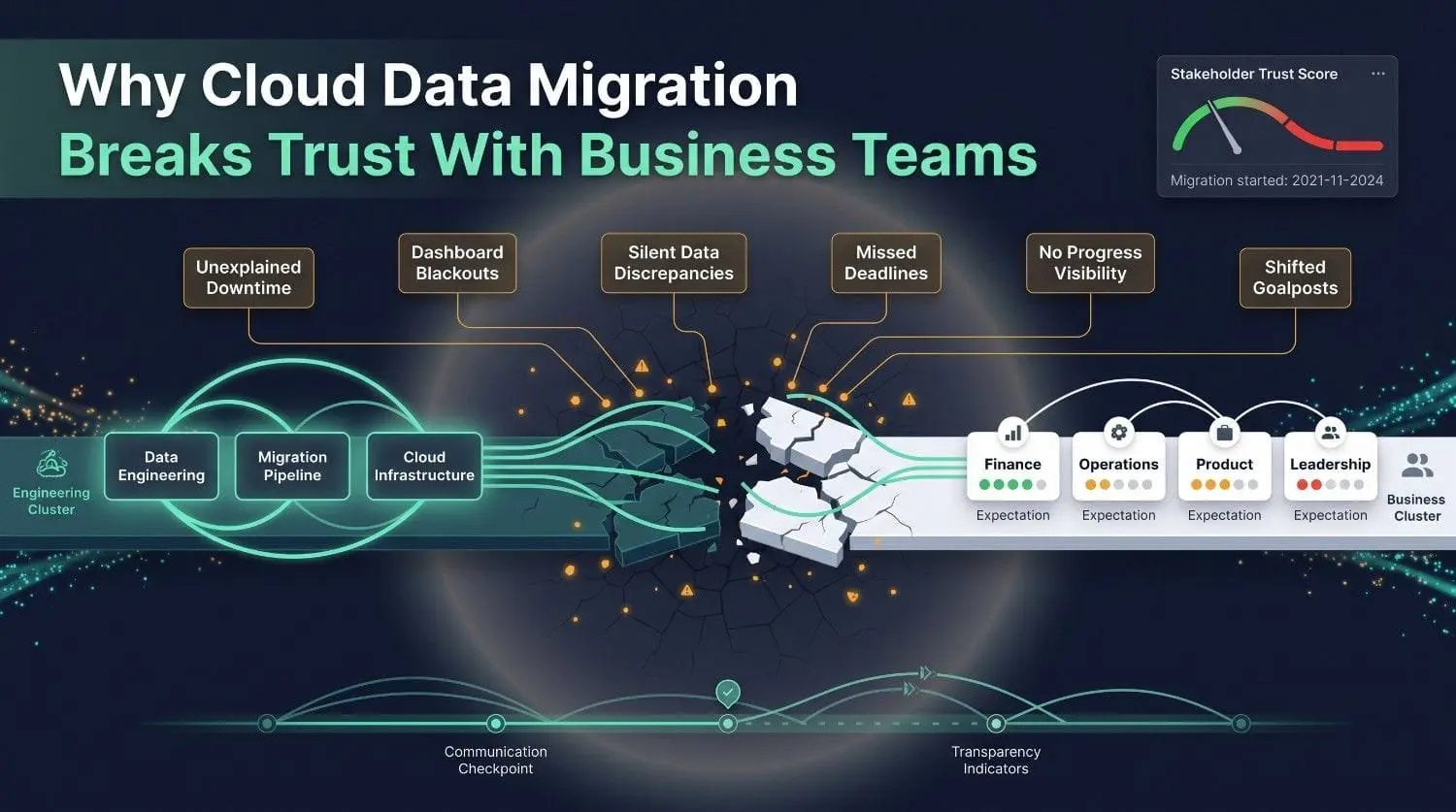
Why Cloud Data Migration Breaks Trust With Business Teams
Many cloud data migrations are declared technically successful.
Updated at: May 26, 2026
Many cloud data migrations are declared technically successful.
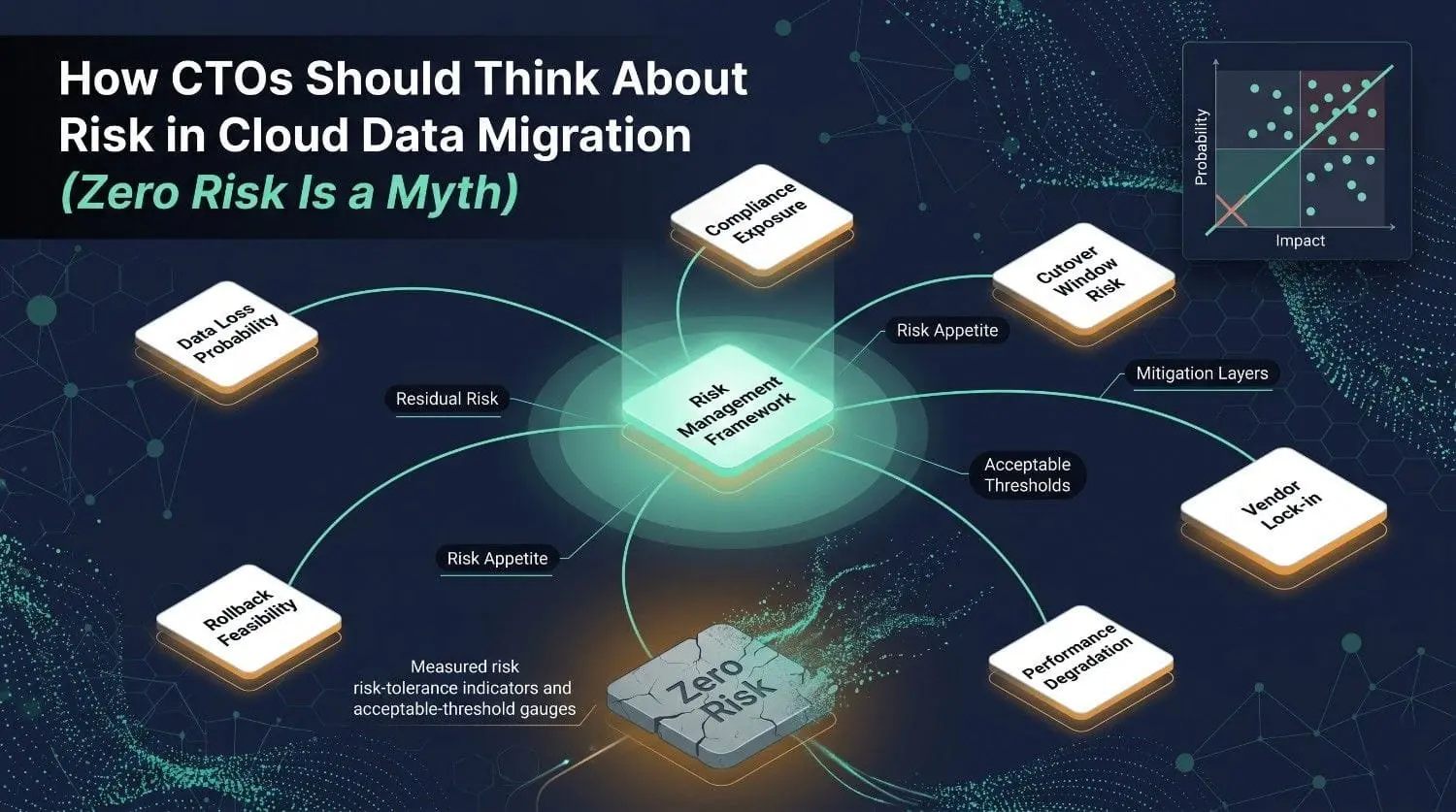
The most dangerous assumption CTOs make about cloud data migration is deceptively simple:
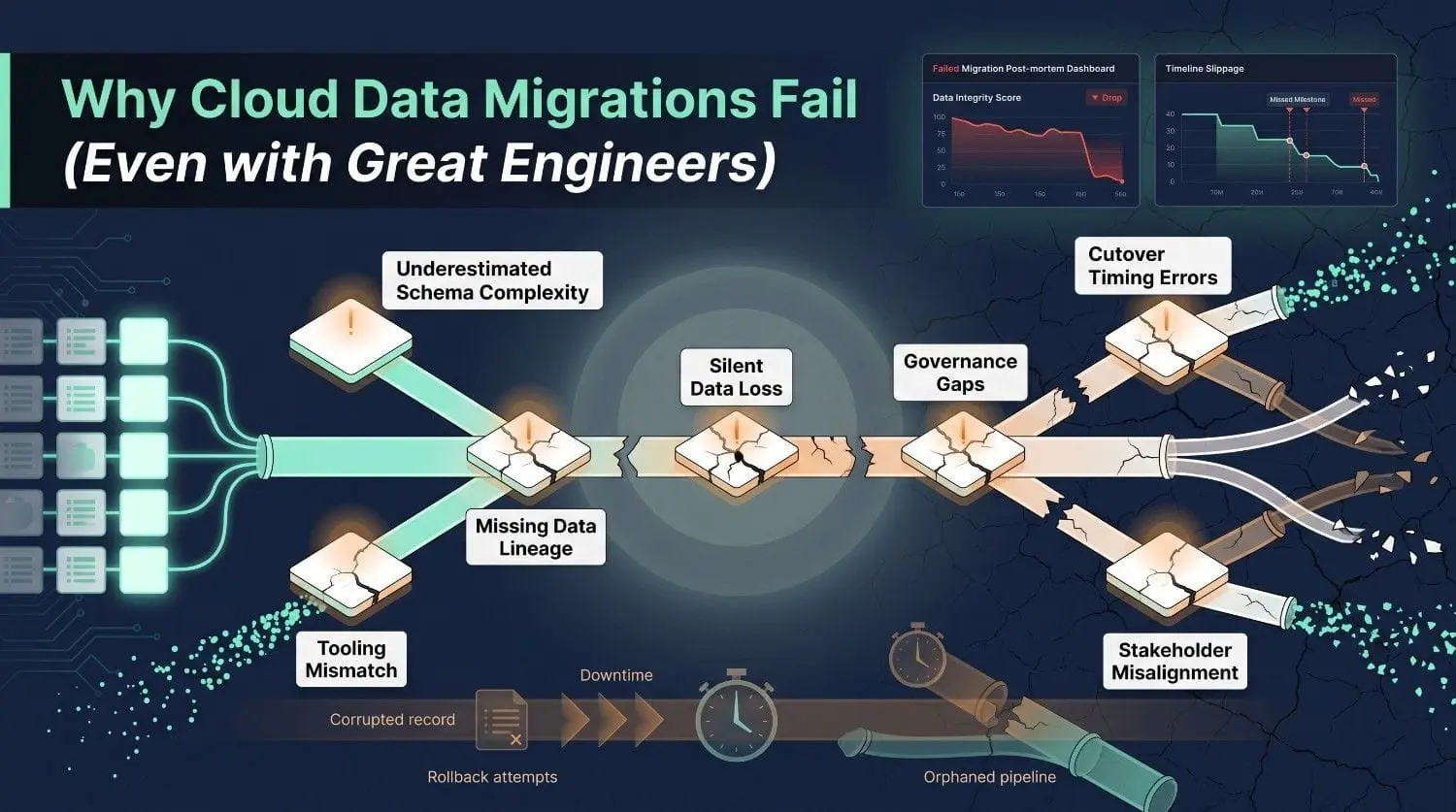
There is a comforting myth that quietly governs how many organizations approach cloud data migration:
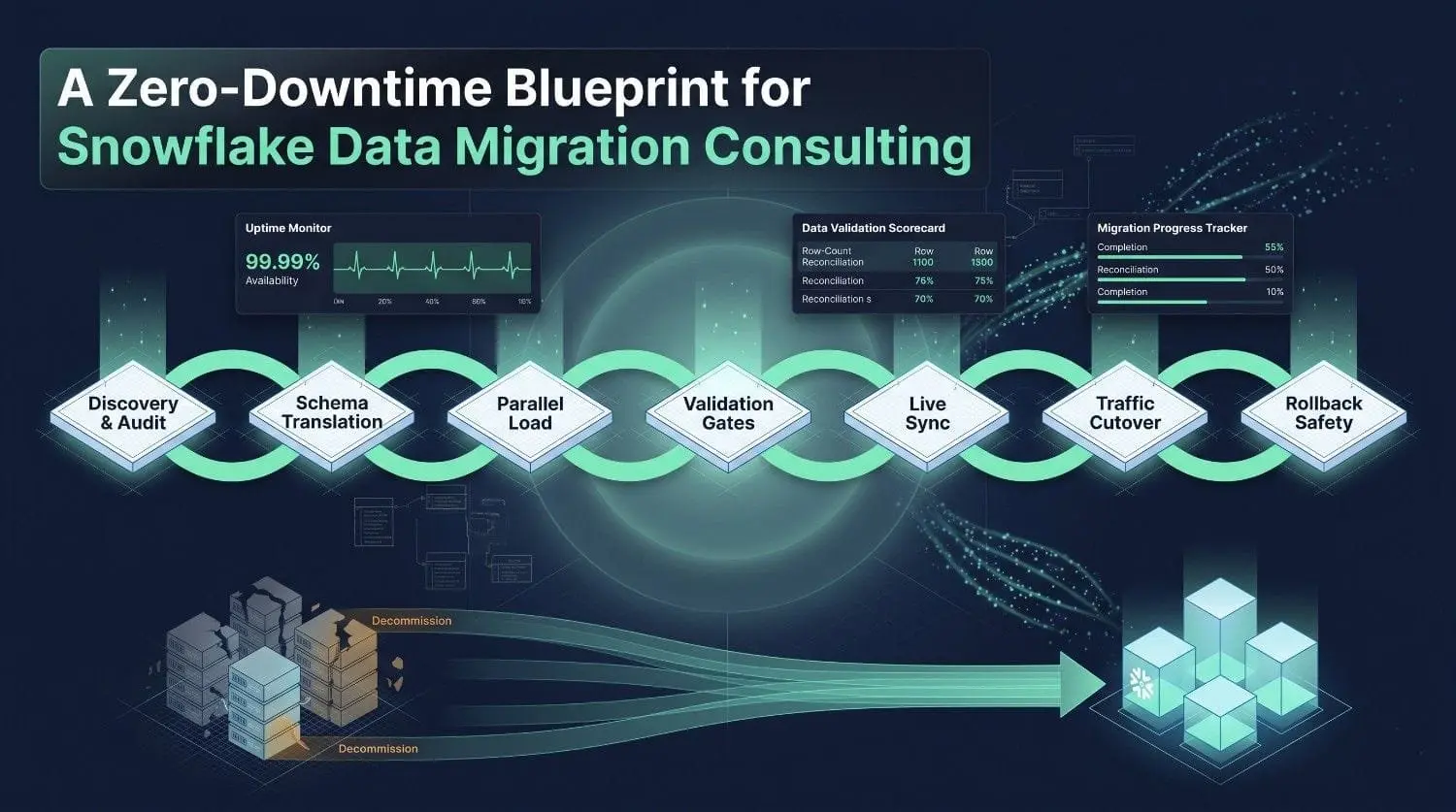
Modern organizations operate in an always-on analytics environment. Data platforms no longer sit in the background generating periodic reports—they actively drive daily decisions across revenue, operations, and customer
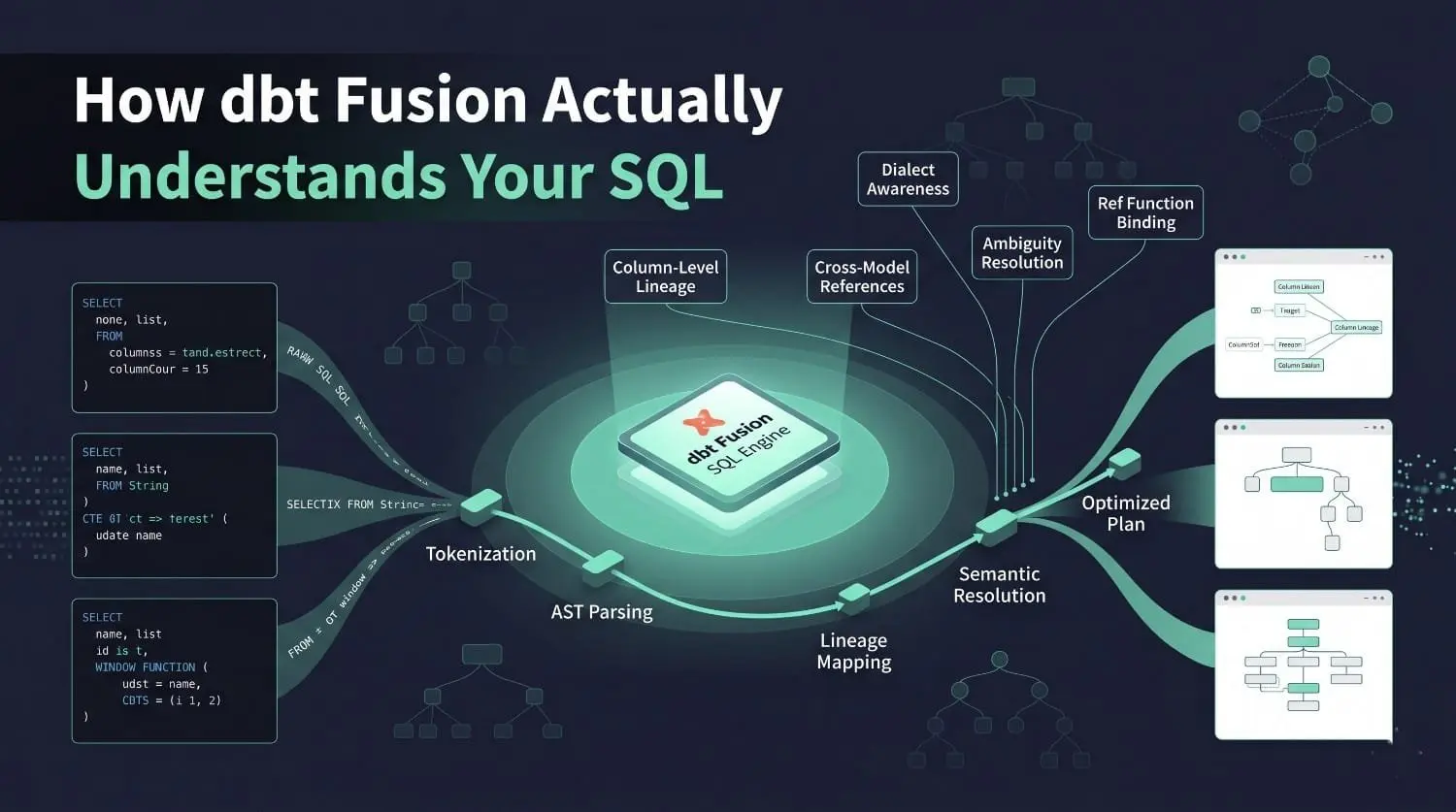
For the better part of a decade, analytics engineers have lived in a world of templated SQL. We didn't call it string manipulation—we called it "templating"—but the underlying reality of how dbt Core’s python + Jinja eng
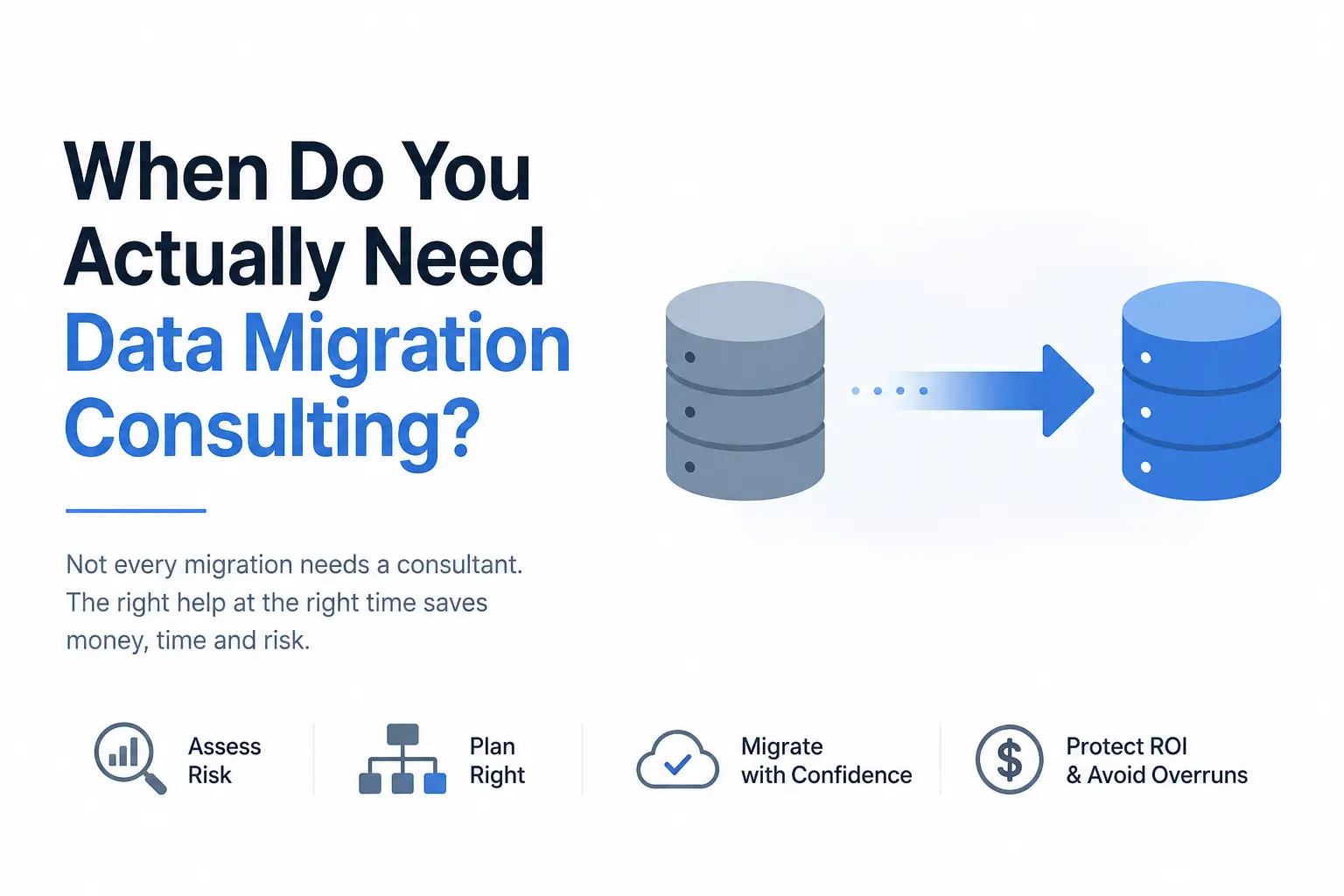
Most data migrations don't need a consultant, but the ones that do are expensive to get wrong. Seven signals and a 10-minute test to help you decide.
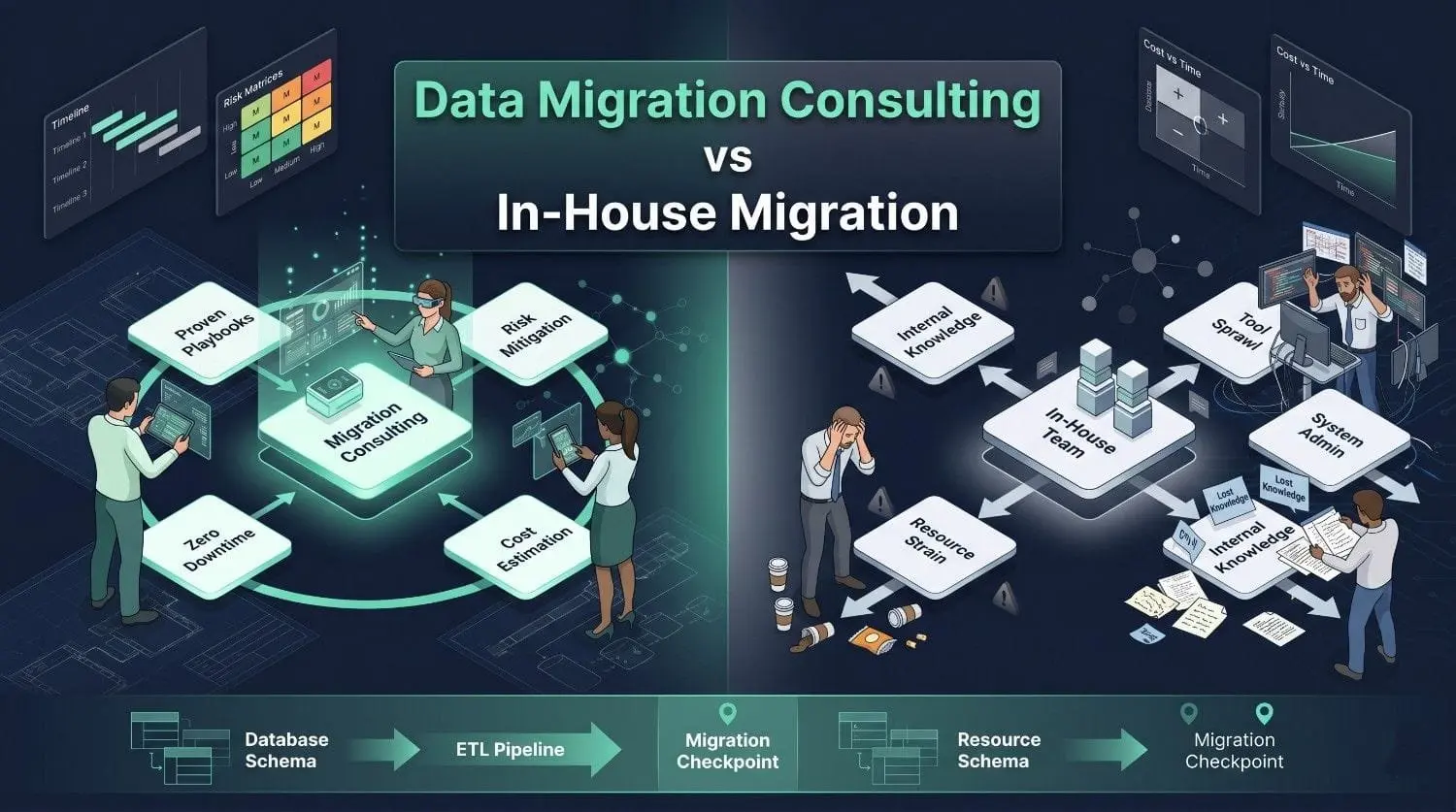
In the modern data landscape of 2026, the stack is no longer just about storage but about interoperability, real time execution, and AI readiness. Yet when engineering leaders face a critical migration decision, they oft
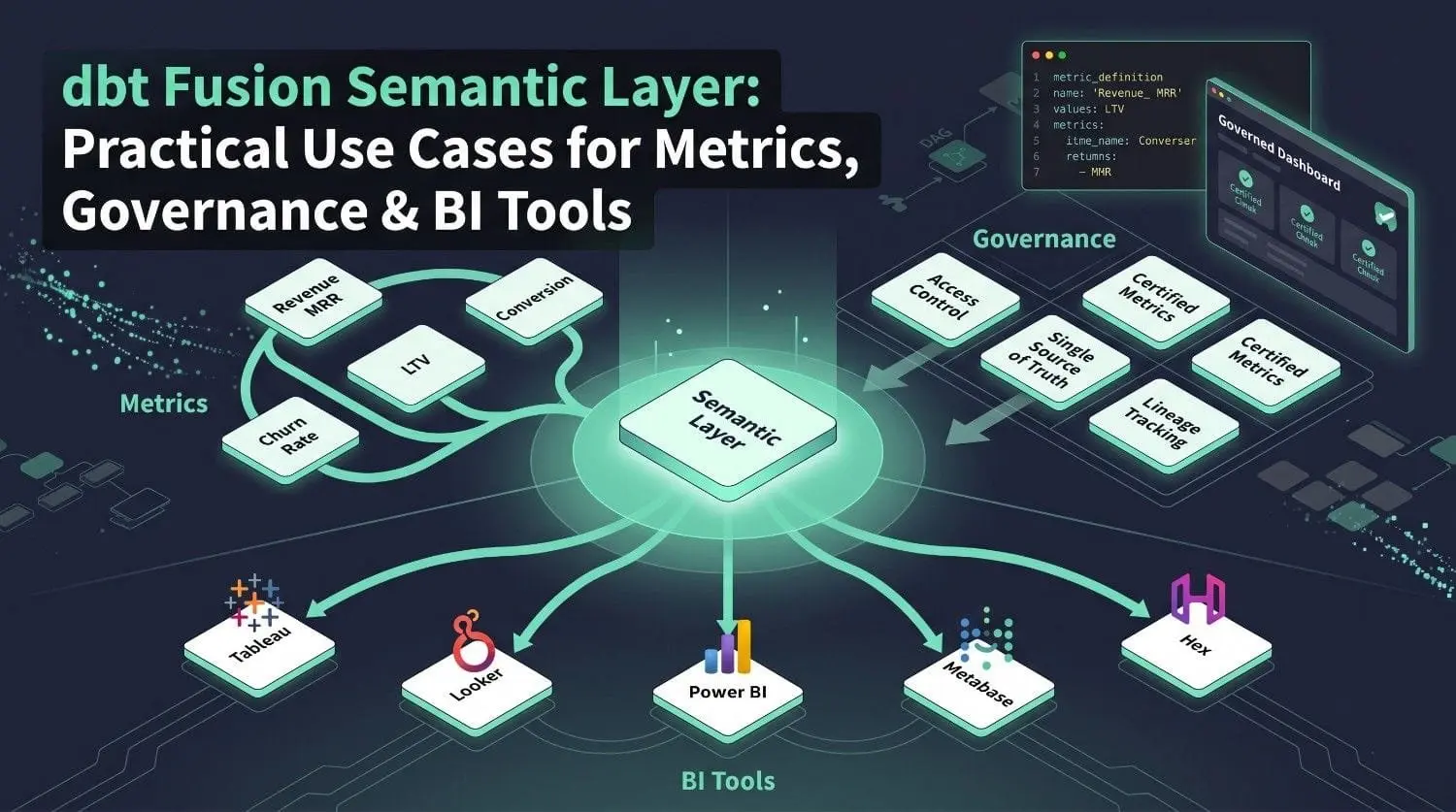
The analytics landscape is undergoing one of the biggest shifts since the rise of the modern data stack. Teams are no longer satisfied with fast pipelines or scalable warehouses alone, they need consistent metrics, strong governance, and self-serve analytics that actually work across the entire organization. This is where dbt Fusion and its Semantic Layer are designed to help.
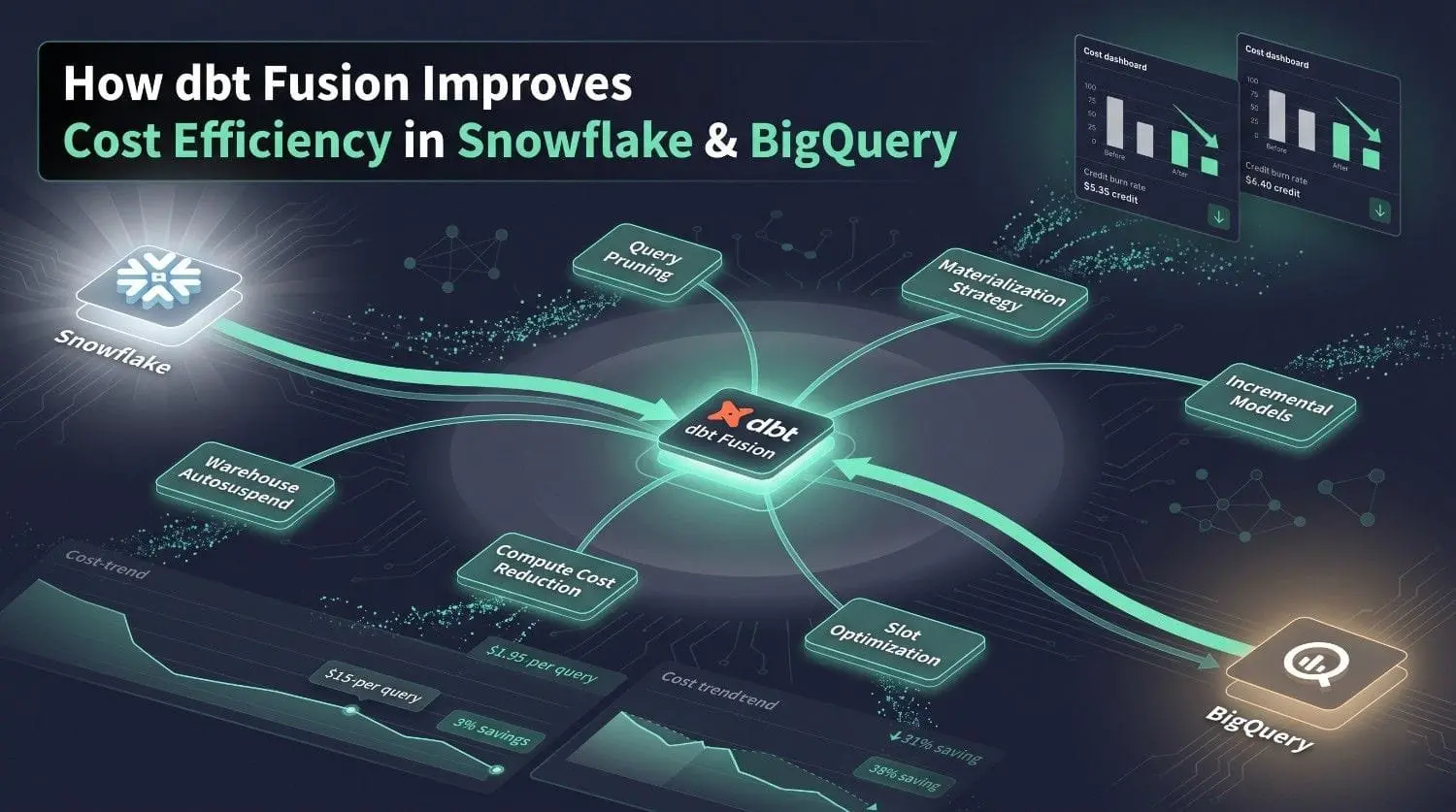
Learn how dbt Fusion lowers cloud compute costs. Optimize incremental logic, centralize semantic layers, and minimize Snowflake and BigQuery spend.
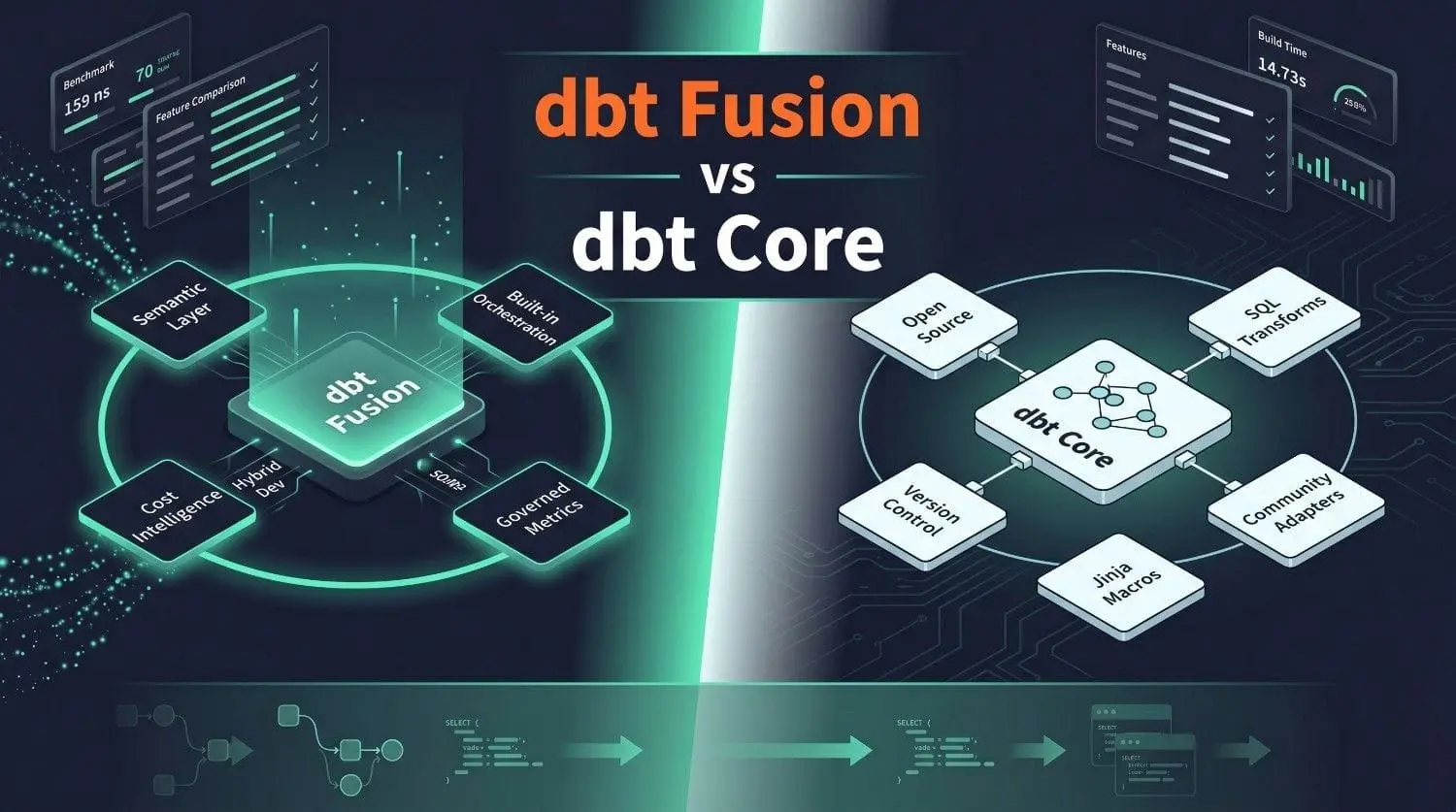
The analytics engineering ecosystem has been shaped for years by one tool: dbt Core.It defined a new way of building data pipelines — modular SQL, version-controlled transformations, in-warehouse processing, and a shared