
Business Process Automation Services
Replace repetitive tasks, disconnected workflows, and manual handoffs with processes that can work consistently across teams and systems. Our business process automation services connect data, approvals, applications, and business rules and every solution is designed around existing operations and expected outcomes.
- 60 +Satisfied Businesses
- 24/7Process Automation
- 50%Cost Reduction
- 2XFewer Mistakes
Key Takeaways
Connected Workflow Execution - Move tasks between teams and systems through connected workflows that keep each process moving.
Consistent Process Control - Apply clear approval rules, permissions, and escalation paths to keep execution consistent and controlled.
Clear Process Visibility - Track live progress, task delays, exceptions, and completion times through one connected operational view.
Overcome the Limits of Manual Business Processes
Business Process Automation Services for Connected Operations
Business Process Automation Consulting
Review existing processes and identify suitable automation opportunities. Our consultants define priorities, system requirements, risks, and a practical implementation roadmap.
Business Process Workflow Automation
Automate task assignments, approvals, notifications, and cross-team handoffs. Each workflow follows defined business rules and exception paths.
Business System Integration
Connect CRM, ERP, finance, HR, support, and custom applications. Integrated systems can exchange data and trigger approved workflow actions.
Data Processing Automation
Automate recurring tasks around your data (collection, validation, transformation, and transfer). Exception handling helps maintain data quality throughout the process.
Document Workflow Automation
Manage document intake, classification, review, approval, and storage. Missing or invalid information can be routed for manual review.
Approval and Task Automation
Route purchase requests, expenses, contracts, and internal submissions to the correct reviewers. Automated reminders and escalation rules help prevent delays.
Business Process Monitoring
Track workflow volumes, completion times, pending tasks, and failed steps. Process data helps teams identify bottlenecks and improve performance.
Intelligent Business Process Automation
Apply AI to processes involving documents, unstructured information, classification, or variable inputs. Human review remains available for uncertain or sensitive cases.
Our Certifications




Success Stories

Workflow Automation to Connect Manufacturing & Sales
A connected business automation system that integrated 4 operational platforms, synchronized order and production updates 24/7, and reduced manual data entry by 50–80% across sales, manufacturing, and fulfillment workflows.
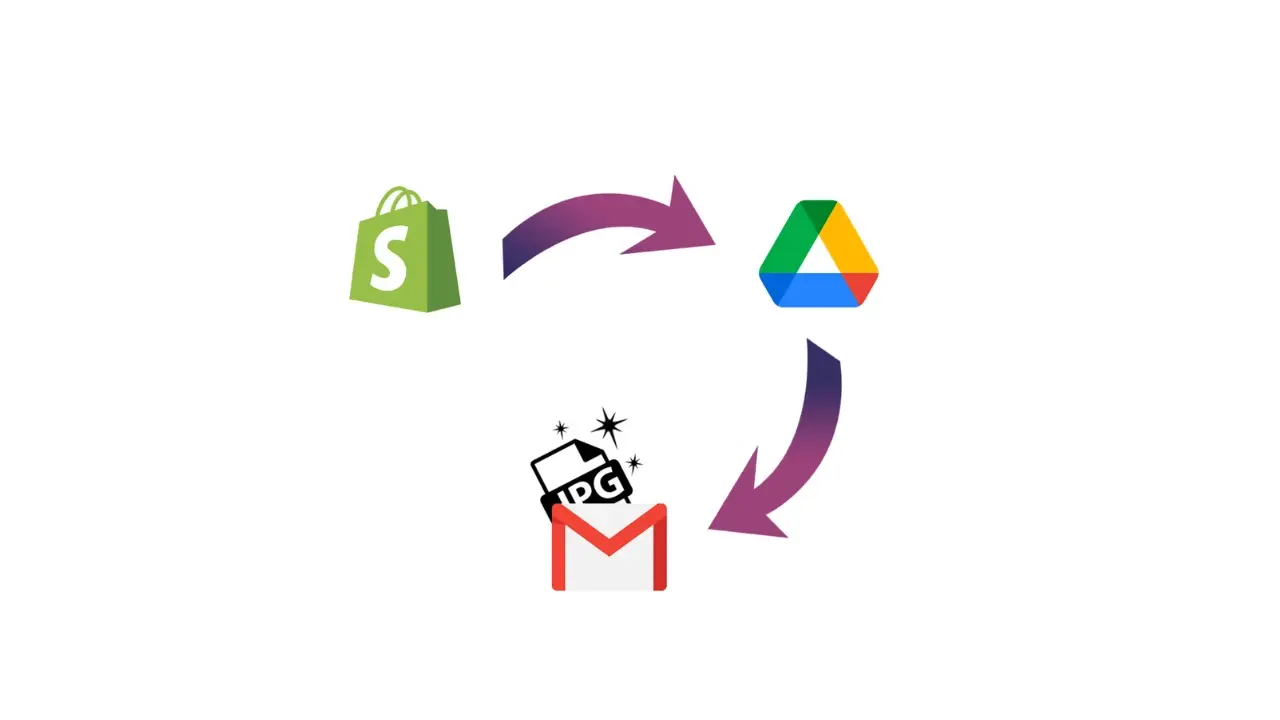
Shopify Automation (Loveyprints.com)
In this project, Data Prism created an end-to-end automation process for Lovey Prints. Our application automatically retrieved images from any new orders received on loveyprints.com in real-time (using Shopify API). It then assigned the orders to the available artists via shared Google Drive (using Google Drive API).
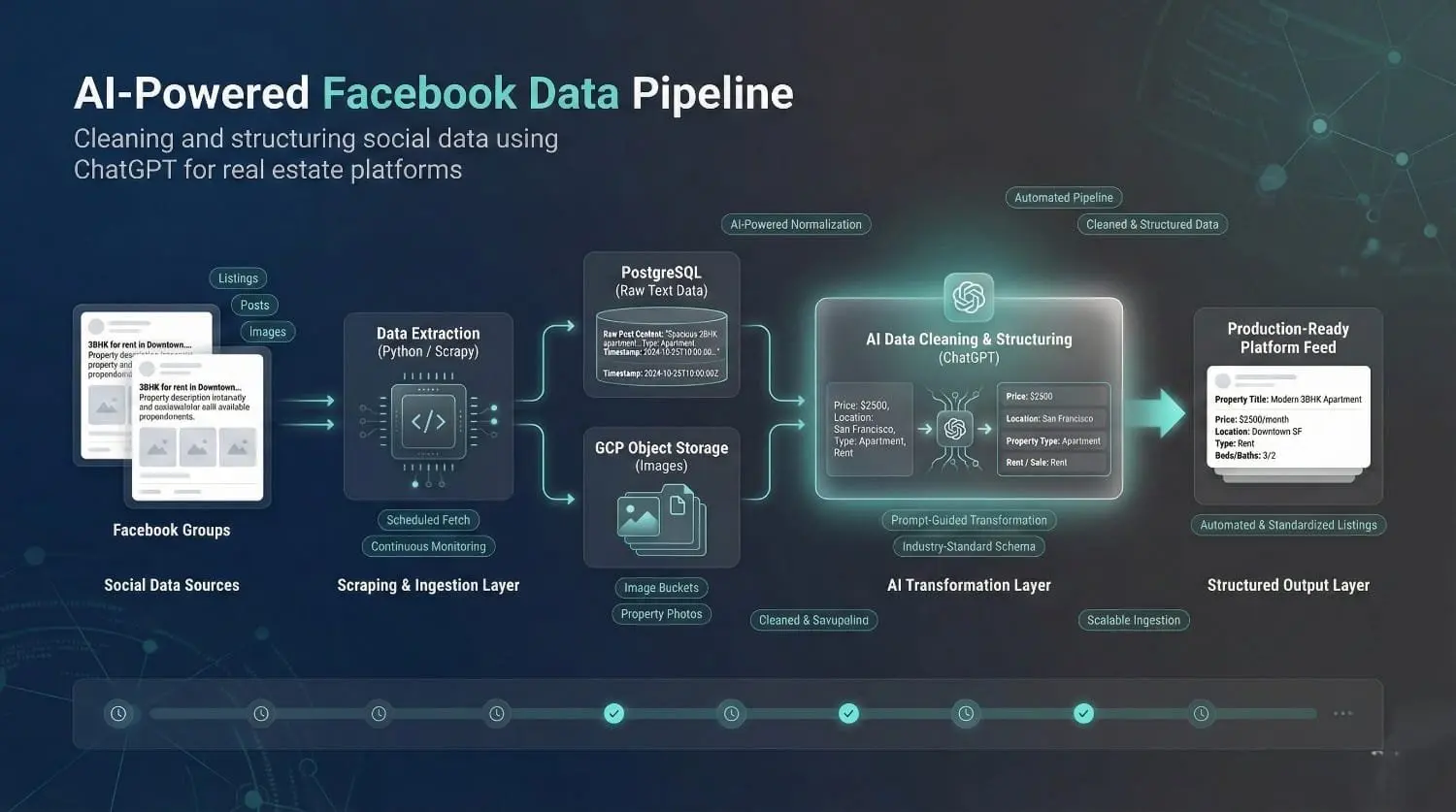
Facebook Data Pipeline using ChatGPT (for Knok’d)
Knok’d needed Facebook group data for its real estate listings platform. DataPrism built a Python and ChatGPT-powered pipeline to extract, clean, transform, and deliver the data in a structured format.
Business Process Automation for Industry Workflows
We adapt each solution to the operating rules, data requirements, and systems used within the industry. This helps the automation fit existing processes without adding unnecessary complexity.

Retail and E-Commerce
Automate order processing, inventory updates, return requests, supplier coordination, and customer service workflows.

Healthcare
Support patient administration, appointment workflows, document routing, and billing processes with suitable access controls.

Finance and Banking
Manage application reviews, document collection, compliance checks, approvals, and transaction exceptions.

Manufacturing
Coordinate purchase orders, production requests, inventory movements, quality checks, and maintenance tasks.
Logistics and Transportation
Manage shipment updates, freight documentation, delivery exceptions, invoice reviews, and operational notifications.

Real Estate and Property Management
Route property inquiries, lease documents, maintenance requests, tenant communication, and approval workflows.
Our Business Process Automation Process
Each project follows a structured process that connects operational requirements with reliable automation. Our team maps the workflow, builds the solution, and prepares it for reliable daily use.
Assess the Current Process
Our consultants start the automation process by reviewing the existing workflows and the systems involved. They identify delays, repeated work, and common process gaps before defining the scope.
Define the Automation Plan
Then, the gathered requirements and priorities are documented before we define the scope, business rules, integration needs, and success measures.
Design the Future Workflow
Once the base is set, tasks, approvals, and exception paths are mapped into a clear workflow. Ownership, escalation conditions, and completion requirements are also defined at this stage.
Build and Connect the Solution
Our developers configure the workflow logic and required interfaces. The solution is then connected with the relevant applications, databases, and APIs.
Validate Process Execution
After completing the build, the workflow is tested with standard cases, missing data, and failed actions. Our team also checks business rules, integrations, and exception handling before release.
Deploy and Optimize
The solution is then deployed to the selected environment and monitored in operation. We continue to gather workflow and exceptions data, post deployment, to improve process logic and performance.
Technologies Used for Business Process Automation Services
- Python
- n8n
- Make
- AWS Step Functions
- Zapier
- Webhooks
- Apache Airflow
- Rest
- Google Cloud Functions
- Azure Data Factory
Why Choose Data Prism for Business Process Automation Services
Effective business automation requires more than adding some automated workflows to an existing process. Our consultants and developers combine process analysis, integration engineering, structured testing, and ongoing improvement to build solutions for real operating environments.
Process-First Planning
Automating an inefficient workflow can preserve the same problems in a new system. Our consultants review the current process before defining the automation approach. This creates a clearer foundation for implementation.
Integration-Led Development
Business processes often depend on several applications and data sources. Our developers connect these systems through one coordinated workflow. This reduces manual transfers between applications.
Practical Automation Strategies
Different processes require different automation methods. Our team selects rule-based workflows, system integrations, or AI-assisted automation based on the work involved.
Controlled Exception Handling
Standard workflow rules cannot resolve every case automatically. We create clear paths for missing information, failed actions, and unusual requests. Such cases are transferred to the relevant person for review (human-in-the-loop).
Structured Workflow Testing
Automated processes may fail when data is incomplete or connected systems respond unexpectedly. Our developers test workflow rules, integrations, permissions, and recovery paths. This helps identify issues before production use.
Measurable Process Improvement
Automation should deliver measurable operational results. We track processing time, workflow volume, failure rates, and exceptions to guide further improvements.

Build Processes That Move Work Forward
Discuss Your Automation Project









Frequently Asked Questions
Tell us about your project
Share your details and we'll reply within one business day.