
Custom Software Development Services
Build secure, scalable software around your workflows, users, and business requirements. Data Prism provides custom software development services for web applications, mobile apps, process automation, and API integrations that improve operations and connect business systems.
Key Takeaways
Purpose-Built Solutions - Software is shaped around specific operating needs and user expectations rather than the limitations of generic products.
Unified Digital Experience - Customer-facing applications, internal tools, and connected capabilities can work as part of one cohesive software environment.
Ready to Evolve - Maintainable foundations make it easier to introduce new functionality and respond to changing priorities over time.
Custom Software Development Services and Solutions
We design and build software that fits specific business processes instead of forcing teams into rigid off-the-shelf tools. Each solution is planned around usability, security, scalability, and long-term maintainability.
Industries We Serve with Custom Software Solutions
Each industry need a software that is customized for its workflows, users, compliance needs, and operational systems. Our engineers design applications and integrations around the specific requirements of each business environment.

Healthcare
Build patient portals, scheduling systems, internal workflow tools, and secure integrations for clinical and administrative operations.

Retail & E-Commerce
Build customer apps, order workflows, inventory tools, payment integrations, and fulfillment systems that support digital commerce.

Finance and Banking
Develop secure platforms for approvals, reporting, customer workflows, transaction processes, and operational data management.

SaaS & Technology
Create customer portals, internal tools, product features, integrations, and scalable platforms for software-driven businesses.

Real Estate and Property Management
Create platforms for leasing, maintenance requests, property reporting, tenant communication, and portfolio operations.
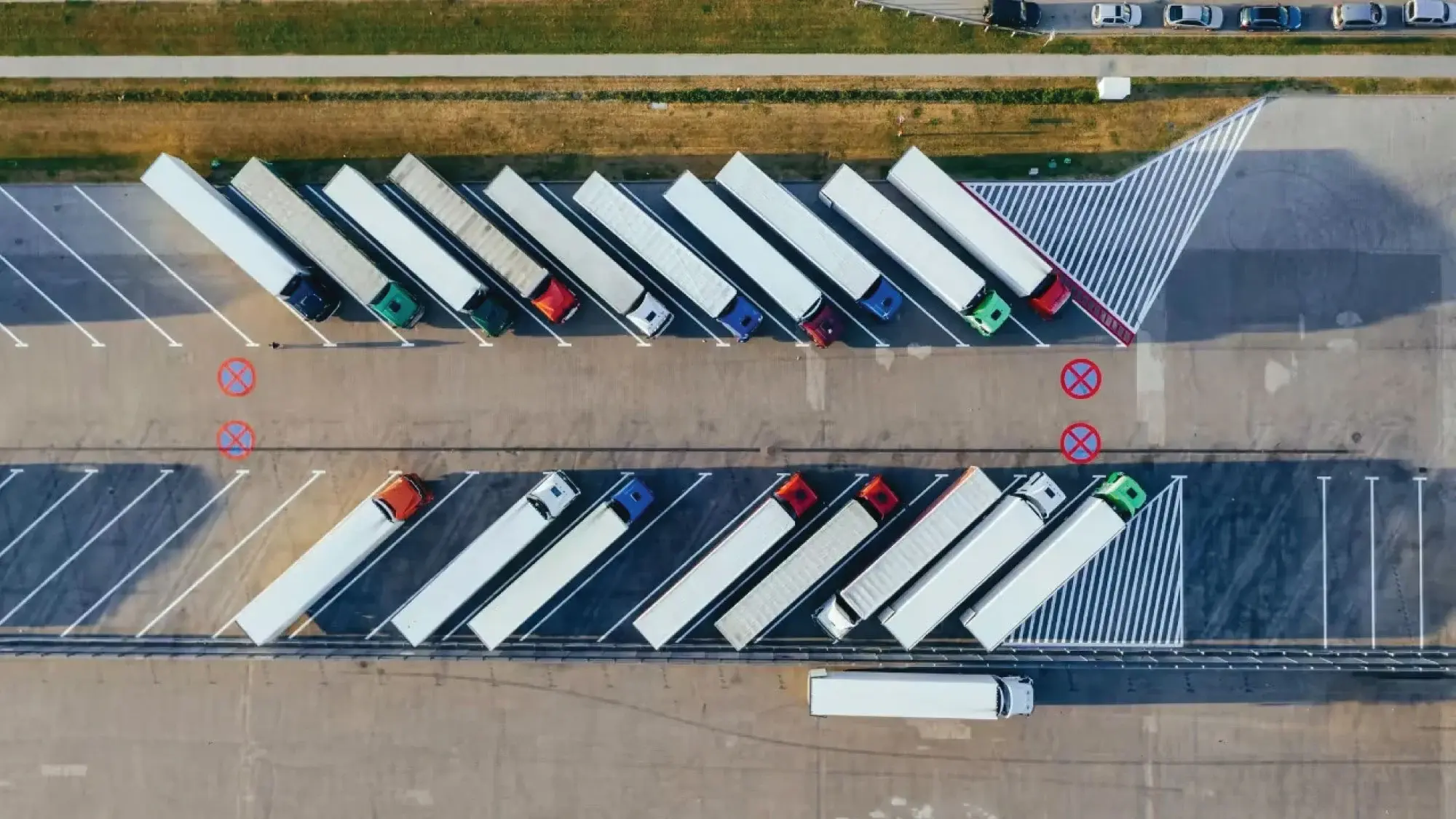
Logistics & Supply Chain
Develop scheduling, dispatch, tracking, inventory, and coordination software for logistics and operational workflows.
Our Custom Software Development Process
Every software project starts with a clear understanding of business goals, users, and system requirements. The solution then passes from architecture and development to become a secure, maintainable application that supports day-to-day operations.
Assess Business Requirements
The process begins with a review of business goals, user needs, current workflows, and existing systems. Our consultants identify functional requirements, technical constraints, dependencies, and project risks. These findings define the scope, priorities, and success criteria.
Design the Solution Architecture
Once the requirements are finalized, the team defines the application architecture, technology stack, data model, security controls, and integration approach. User flows and interface requirements are also planned during this stage. Lastly, a phased roadmap is shared with the client, including clear delivery milestones and dependencies.
Build the Application
Once the design is approved, engineers develop the frontend, backend, database, and required application features. Work is planned in form of feasible iterations, which allows stakeholders to review the progress throughout the development. We also ensure internal code reviews and automated checks to help maintain quality.
Integrate Systems and Workflows
The skeletal applications are then connected with databases, APIs, cloud services, payment platforms, or business systems as required. Data synchronization, error handling, access controls, and automation rules are also configured during integration, and each connection is tested against expected workflows.
Validate and Deploy
Before release, the solution is tested for functionality, usability, security, performance, and compatibility. Identified issues are resolved before the approved version is deployed to the target cloud or hosting environment. Documentation and operational handoff are completed as part of the release.
Monitor and Improve
After deployment, application performance, errors, usage patterns, and infrastructure health are reviewed. Targeted enhancements address new requirements, usability feedback, and technical improvements. Ongoing support keeps the software reliable and maintainable.
Our AI Technology Stack
Programming Languages
Frameworks & Libraries
Databases
Cloud Platforms
Containerization
RESTful Services
API Management & Gateways
Security
Headless Browsers
Why Choose Data Prism for Custom Software Development
Reliable software solution development requires much more than writing code. Data Prism combines application engineering, cloud architecture, workflow automation, and system integration expertise to build secure, maintainable software that supports real business operations.
Business-Aligned Development
Software creates limited value when features are not connected to actual workflows. Our consultants define users, processes, requirements, and measurable outcomes before development begins.
Full-Stack Engineering Expertise
Custom applications depend on coordinated frontend, backend, database, cloud, and integration work. Our engineers build each layer as part of one maintainable system.
Scalable Application Architecture
Poor architecture can create performance issues, technical debt, and difficult maintenance as usage grows. We design applications around expected workloads, data volume, integrations, and future feature needs.
Secure System Integration
Disconnected systems create duplicate work and inconsistent information. Our team connects applications, databases, and third-party platforms through secure APIs and controlled access patterns.
Quality-Focused Delivery
Unclear requirements and limited testing increase the risk of defects and rework. Data Prism uses iterative delivery, code reviews, automated checks, and stakeholder validation throughout the project.
Ongoing Software Support
Applications need changes when users, workflows, and systems evolve. We provide monitoring, enhancements, performance improvements, and technical support after deployment to ensure a seamless experience.
Success Stories
We’ve partnered with fast-growing startups and global enterprises to design intelligent data ecosystems that power smarter decisions and digital growth.
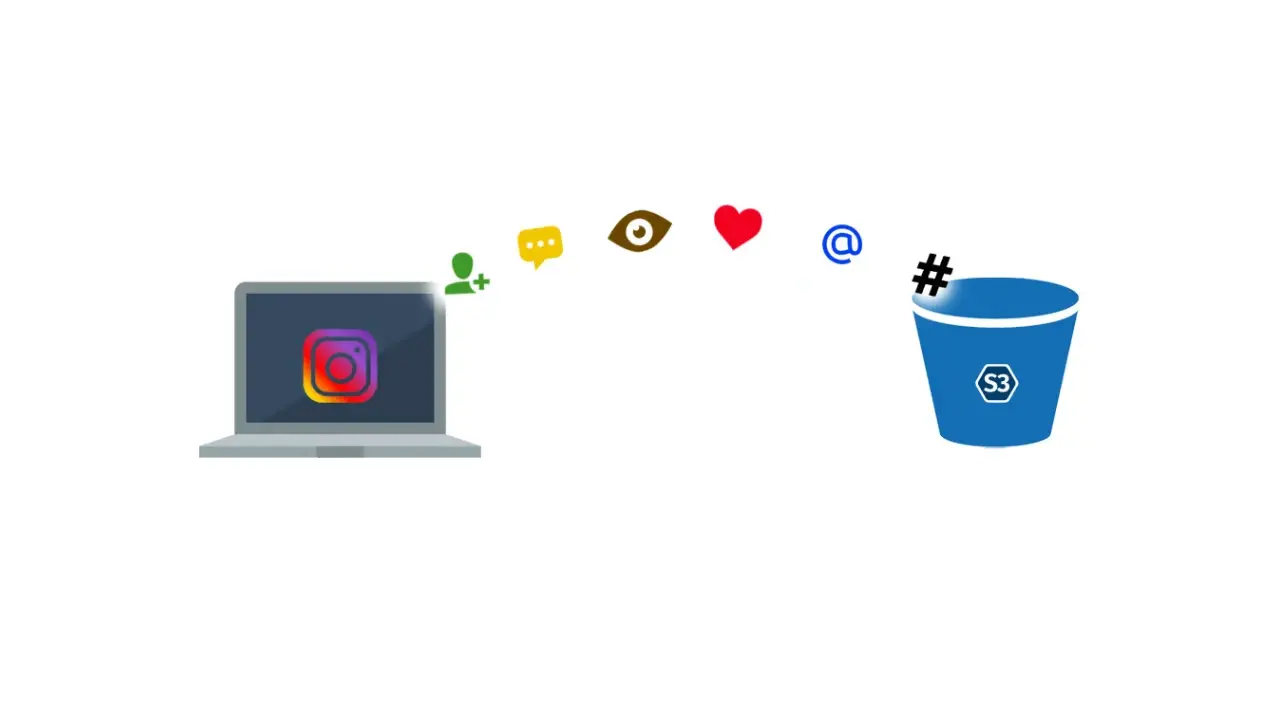
Instagram-Facebook API Integration (Freestak.com)
Freestak, a marketplace for endurance influencers, wanted to integrate key insights coming from marketing campaigns with their associated influencers. Freestak required obtaining post data and engagement metrics of posts, stories and reels of Instagram influencers.
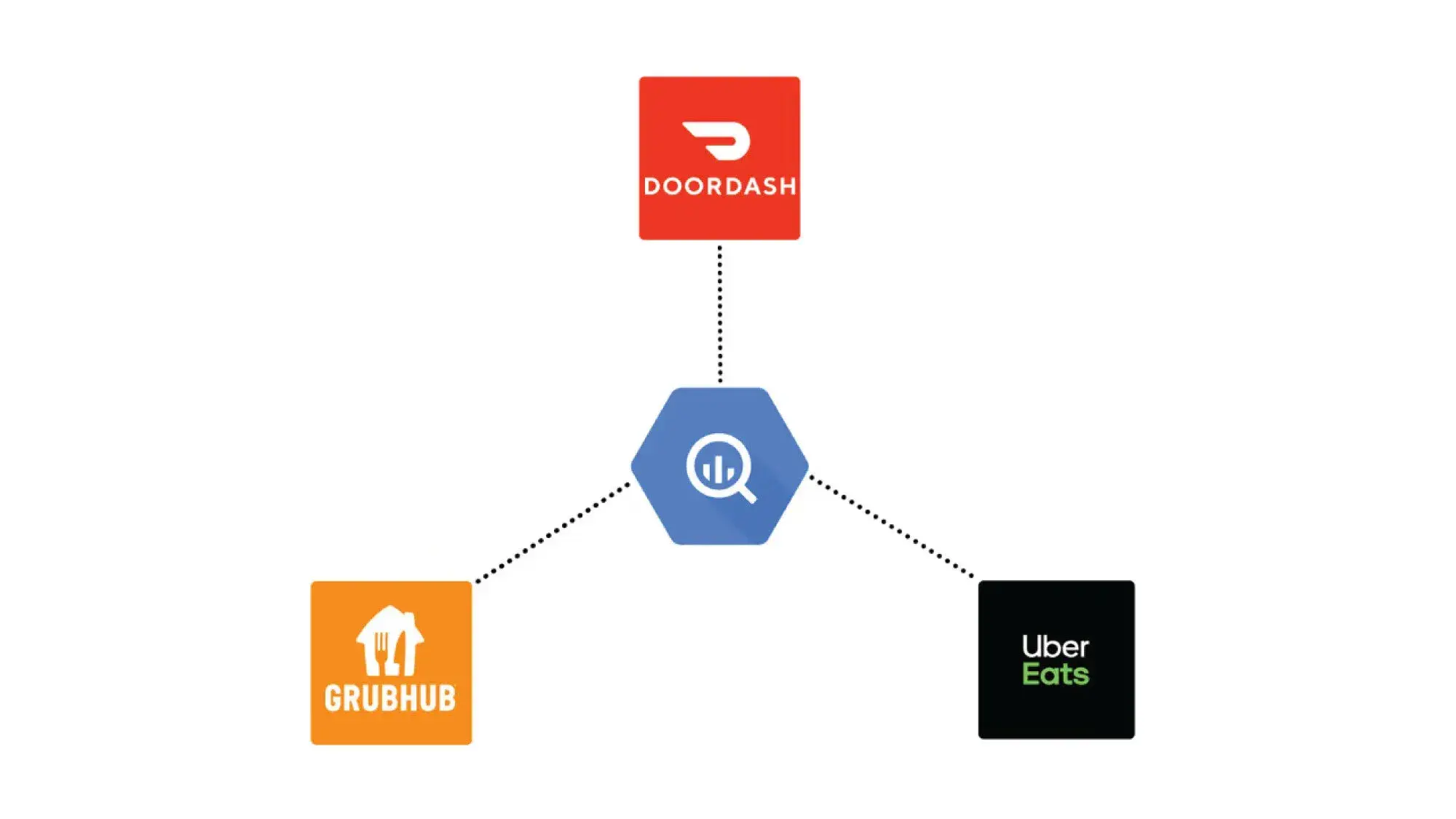
Food Ordering Scraper (DoorDash, UberEats, Grubhub)
Our client needed merchant-side data of orders coming to restaurants through 3 major ordering companies (DoorDash, Uber Eats, and Grubhub). We were required to implement a smart algorithm to retrieve such a huge volume of information and prevent blocking, duplication, and other problems.
Skyfare (FlyGPT)
We created a web application that asks users for their desired trip and uses chatGPT to find the best possible flights from all the airlines and agents. The user can also choose to mention the specifics of the tickets they need, like price range, airlines, and date(s) of traveling.
Frequently Asked Questions
Tell us about your project
Share your details and we'll reply within one business day.