Real-Time Food Delivery Data Collection Across 2,500+ Locations

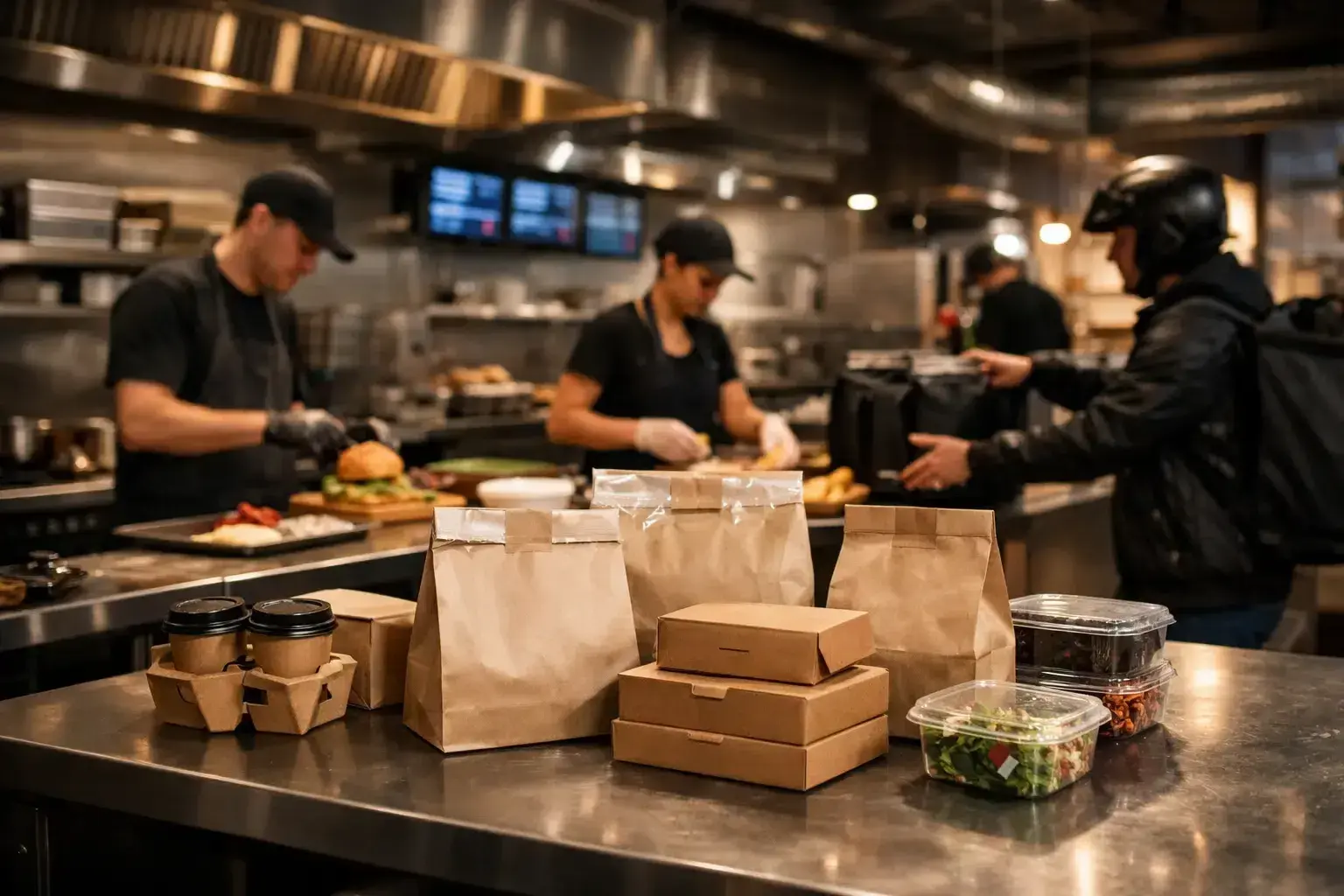
Restaurant staff preparing multiple online delivery orders during a busy service period

Overview

Loop

Loop

SaaS

Challenge

Restaurant delivery data was scattered across numerous platforms like DoorDash, Uber Eats, and Grubhub. This limited real-time visibility into merchant operations, creating a major challenge for restaurants.

Solution

Built a real-time system to collect and unify merchant-side order activity across multiple delivery platforms. The data was then used for analytics and business intelligence to support sales and revenue growth.

PythonZyteBigQueryDockerCron Jobs
Locations Covered

2,500+

Collected and standardized delivery activity across more than 2,500 restaurant locations.

Revenue Growth

35%

Restaurants using the resulting insights saw revenue increase by 35%, supported by better visibility into delivery performance and customer activity.

Validated Data Quality

99.2%

Used multi-layer fallback collection, schema validation, normalization, and automated quality checks to maintain reliable order data.

Client

Loop AI is a SaaS company helping multi-unit restaurant brands improve profitability across third-party delivery. Its platform brings together delivery data, analytics, and automated workflows to support finance, operations, and marketing teams. The company has since expanded its footprint to more than 14,000 restaurant locations.

As third-party delivery became a larger part of restaurant operations, brands needed clearer visibility into performance across channels and locations. Reliable delivery intelligence became increasingly important for identifying operational issues, understanding customer behavior, improving offers, and uncovering growth opportunities.

Challenge

Restaurants often operate across several delivery marketplaces at the same time, but each platform maintains its own merchant interface, data structure, session requirements, and reporting format. This made it difficult to create a consistent view of incoming order activity across DoorDash, Uber Eats, and Grubhub. 

The project needed to collect high-volume order data with near-real-time freshness while maintaining reliable access to authenticated merchant environments. Differences in platform behavior, anti-bot controls, session expiration, and changing data structures created additional complexity as the number of restaurant accounts increased. 

Key Issues 

  • Consolidating merchant-side order activity from multiple delivery platforms 
  • Maintaining authenticated sessions across restaurant accounts 
  • Working around rate limiting, bot detection, and IP blocking 
  • Handling inconsistent data formats between DoorDash, Uber Eats, and Grubhub 
  • Keeping order information fresh enough for operational analysis 
  • Preventing duplicate or invalid records from entering downstream datasets 
  • Supporting hundreds of merchant accounts without manual monitoring 
  • Preserving reliable data collection as platform interfaces and endpoints changed 
  • Preparing high-volume order records for centralized analytics 

Without a dependable cross-platform data layer, restaurant teams and downstream analytics systems would continue working with fragmented information, making it harder to compare delivery channels, identify operational issues, and act on changing order patterns.

Solution

The solution established a resilient collection layer between third-party delivery marketplaces and downstream analytics, with each stage designed to maintain access, consistency, and freshness as order activity changed throughout the day. 

Multi-Platform Order Collection 

A distributed Scrapy-based architecture collected merchant-side order activity from DoorDash, Uber Eats, and Grubhub. Parallel spider execution supported continuous extraction while structured item definitions provided a common format for records originating from different platforms.  

Resilient Platform Access 

Undetected Selenium, Selenium Wire, and rotating Zyte proxies were combined with randomized request behavior to manage platform access. This layered approach helped the collection process adapt to bot detection, rate limits, and IP restrictions without relying on a single access method.  

Automated Session Management 

Merchant authentication was maintained through cookie-based sessions, automated cookie generation, refresh mechanisms, and fallback re-authentication. Credentials were managed separately from application logic, allowing long-running collection jobs to recover when individual sessions expired.  

Standardized Data Processing 

Incoming records passed through normalization, schema validation, duplicate detection, and quality filtering before export. Platform-specific formats were converted into consistent order structures, reducing downstream cleanup before analytics use.  

Continuous Data Refresh 

Cron-based orchestration triggered collection every minute, while flock prevented overlapping runs. Incremental processing focused each cycle on newly available activity instead of repeatedly rebuilding complete datasets, helping maintain near-real-time updates efficiently.  

Analytics-Ready Storage 

Validated records were exported through structured CSV and JSON workflows and loaded into BigQuery for centralized analysis. This created a scalable data foundation for examining delivery activity across restaurants, platforms, and broader operational trends.  


Key Deliverables 

  • Developed merchant-side data collectors for DoorDash, Uber Eats, and Grubhub  
  • Implemented parallel scraping for high-volume order activity  
  • Added automated cookie generation and session recovery  
  • Integrated rotating proxies and browser automation for resilient platform access  
  • Standardized platform-specific records into a common order schema  
  • Added duplicate detection, validation, retry handling, and quality controls  
  • Automated minute-level collection with protected scheduled execution  
  • Implemented incremental updates for newly available order activity  
  • Centralized validated datasets in BigQuery for downstream analysis  
  • Containerized the collection environment for portable deployment
Tools Used

  • Python
  • BigQuery
  • Zyte
  • Docker
  • Cron Jobs
  • Scrapy

Results

Near-Real-Time Delivery Visibility 

Order activity became available with less than 60-second data freshness, giving downstream analytics access to current delivery activity rather than relying on delayed or manually consolidated information.  

Reliable Continuous Collection 

The production workflow maintained 98.5% uptime while automated recovery helped restore interrupted collection within five minutes, supporting dependable data availability throughout ongoing operations. 

Actionable Cross-Platform Insights 

Unified delivery data enabled analytics and business intelligence across marketplaces, helping restaurants identify performance trends, refine offers and promotions, and make more informed commercial decisions. 

Reduced Data Gaps 

Validation, retry handling, and resilient access helped limit missed orders and invalid records, producing more dependable datasets for operational and analytical use.  

Expansion-Ready Data Operations 

The architecture could support additional restaurant accounts, geographic markets, and delivery platforms without requiring a fundamental redesign.  

Impact

Turned fragmented delivery data into actionable intelligence for stronger restaurant performance.

Business Impact

  • Improved visibility into delivery performance across multiple marketplaces
  • Enabled restaurants to refine offers and promotions using cross-platform order insights
  • Supported more informed staffing, inventory, pricing, and commercial decisions
  • Helped participating restaurants increase revenue by 35% through improved delivery performance
  • Helped reduce cancellations through better visibility into order and operational activity
  • Established a scalable data foundation for additional restaurants, markets, and ordering platforms
Book Consultation